
OpenFPGA initiative seems to protect video clip gaming history via components emulation
 [ad_1]
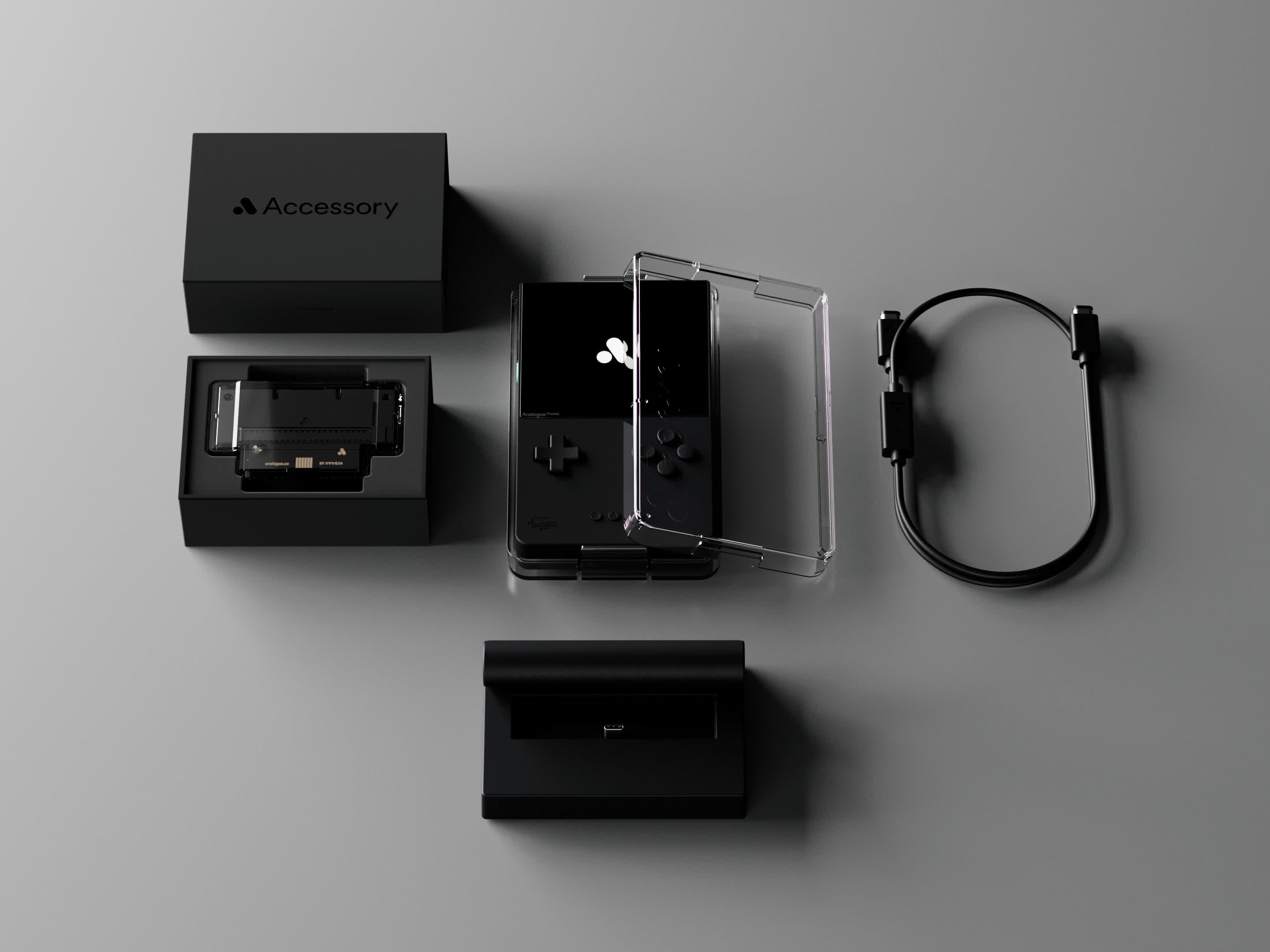
In a nutshell: Movie video game lovers are a nostalgic bunch that typically enjoy revisiting some of yesterday's greatest titles. Unfortunately for several, the getting old components made use of to perform individuals primary titles just isn't really offered. Application emulation can scratch the itch but can also introduce unwelcome difficulties that detract from the game's experience of authenticity. Analogue's Pocket handheld and openFPGA initiative are using steps to clear up that by completely emulating consoles and other historic platforms at the hardware degree.
Originally envisioned at the starting of this calendar year, Analogue's 1.1 firmware beta launch expands the Pocket's element set and includes several additions targeted on extending the abilities of 3rd celebration developers. These more capabilities supply builders with OS-amount equipment, options, and configurations essential to properly build and deploy new cores for the process working with the device's area programmable gate array (FPGA) hardware. Cores equate to performance that mimics a computing or console system at the components stage.
As opposed to ASICs (application precise integrated circuits) that are built and fabricated for a one reason, FPGA's use configurable logic blocks and programmable interconnects that allow for reprogrammed factors to provide various functions using the exact hardware. This reprogrammable functionality delivers builders with a overall flexibility not ordinarily offered on other consoles and platforms.
Analogue shown the system's probable by together with a absolutely useful implementation of what some deem the 1st serious video clip gaming system, the Programmed Info Processor-1 (PDP-1).

This DEC minicomputer (an ironic time period by present-day standards) provided the basis for Spacewar!, a space battle sport developed by personal computer researchers doing work with MIT's PDP-1 implementation in the early 1960's.
Using openFPGA, a 3rd occasion developer "Spacemen3" recreated the PDP-1 and Spacewar! utilizing the initial supply code in the community area. You can participate in it today on Pocket with openFPGA by next this guidebook here: pic.twitter.com/ut6N6Ovois
— Analogue (@analogue) July 29, 2022
The authentic specs of the minicomputer may possibly be shocking for any individual not familiar with 1960's laptop engineering. Unveiled in 1959 for the small cost of $120,000 (properly above the $1 million mark in present day dollars), the PDP-1 weighed in at a chunky 1,600 lbs. and delivered a 4,096 word memory capacity created readily available through magnetic tape.
The gigantic most important cabinet and peripherals, pictured underneath at the Laptop Background Museum, offered people computing power that was approximately equivalent to handheld electronic organizers and calculators as considerably back as the mid 1990s. Eat your heart out Palm Pilot.

Spacewar! was developed by a number of pc researchers and engineers at MIT in 1962. The space-based mostly, two-player dogfight was not just a novel first attempt and creating a pc video game. The game's mechanics and elements would go on to offer the physics models, controls, and gameplay for some of the most preferred titles at any time produced, together with the 1979 basic Asteroids.
Given that then, the video game has been repeatedly recognized as 1 of the most essential breakthroughs in personal computer gaming record, has been named to numerous lists citing the best online video online games of all time, and was even nominated to be preserved in the formal game canon of the United States Library of Congress.
[embed]https://www.youtube.com/look at?v=1EWQYAfuMYw[/embed]
In accordance to Analogue, the Pocket is not technically intended to participate in copyrighted ROM data files from the SD card slot. The slot is instead intended for firmware updates and other characteristics to assist the unit alone. The company's developer FAQ even plainly suggests "Analogue does not support piracy." What they do assistance, whether deliberately or not, is the skill to digitally patch and signal ROM files with a GB Studio signature, making it possible for them to then operate on the Pocket.
The Pocket was originally manufactured obtainable through pre-buy in August 2020 and began shipping to consumers in Q1 2022. In accordance to the company's FAQ, orders will continue on to be transported in 2022 and 2023.
[ad_2] https://g3box.org/news/tech/openfpga-initiative-seems-to-protect-video-clip-gaming-history-via-components-emulation/?feed_id=4386&_unique_id=62e67fab34dba

0 comments:
Post a Comment